INFECTION CONTROL APPLICATIONS
Equipment for Your Industry
Compare instrument-processing equipment for dental, medical, beauty, veterinary, laboratory and body art customers. Build a purchasing list around the actual instruments, workspace and documentation your project requires.

INDUSTRY REQUIREMENTS
Dental Clinics
Explore dental autoclaves, ultrasonic cleaners, handpiece maintenance units, pouch sealers and water distillers for distribution and procurement projects.
- Keep instrument sets moving. Compare peak appointment periods with the number of complete instrument sets available between batches.
- Include handpiece care. Identify handpiece makes and connectors, plus their cleaning and lubrication requirements, before choosing maintenance equipment.
- Plan for wrapped loads. Use actual pouch and tray dimensions when comparing chamber depth and permitted loading.
Related Products
8X Class B Vacuum Steam Sterilizer · 18L/23L →
Compare chamber depth, interface choices and the documented cycle options for your instrument sets.
CQ1300 Ultrasonic Cleaner →
Review a single-tank cleaning station and the basket space required by your instruments.
QZ350 Lubrication Machine →
Review cleaning and lubrication modes for compatible dental handpieces.
What should buyers confirm for Dental Clinics?
Include chair count, peak daily batches, instrument-set inventory and handpiece connector details. Allow space for baskets, packaging, water connections and access around the equipment.
Can chair count determine the sterilizer size?
Chair count is a useful starting point. Actual set dimensions, batch frequency, wrapping and permitted loading are also needed to compare chamber sizes.
Can every dental handpiece use the same maintenance connector?
No. Provide the handpiece makes, connector types and manufacturer instructions so adapter and maintenance compatibility can be reviewed.
Should cleaning and sterilization equipment be selected together?
Review how instruments move between the two stations, including baskets, drying and packaging space. Each device and process still needs to match the instruments being handled.
INDUSTRY REQUIREMENTS
Medical & Clinical Facilities
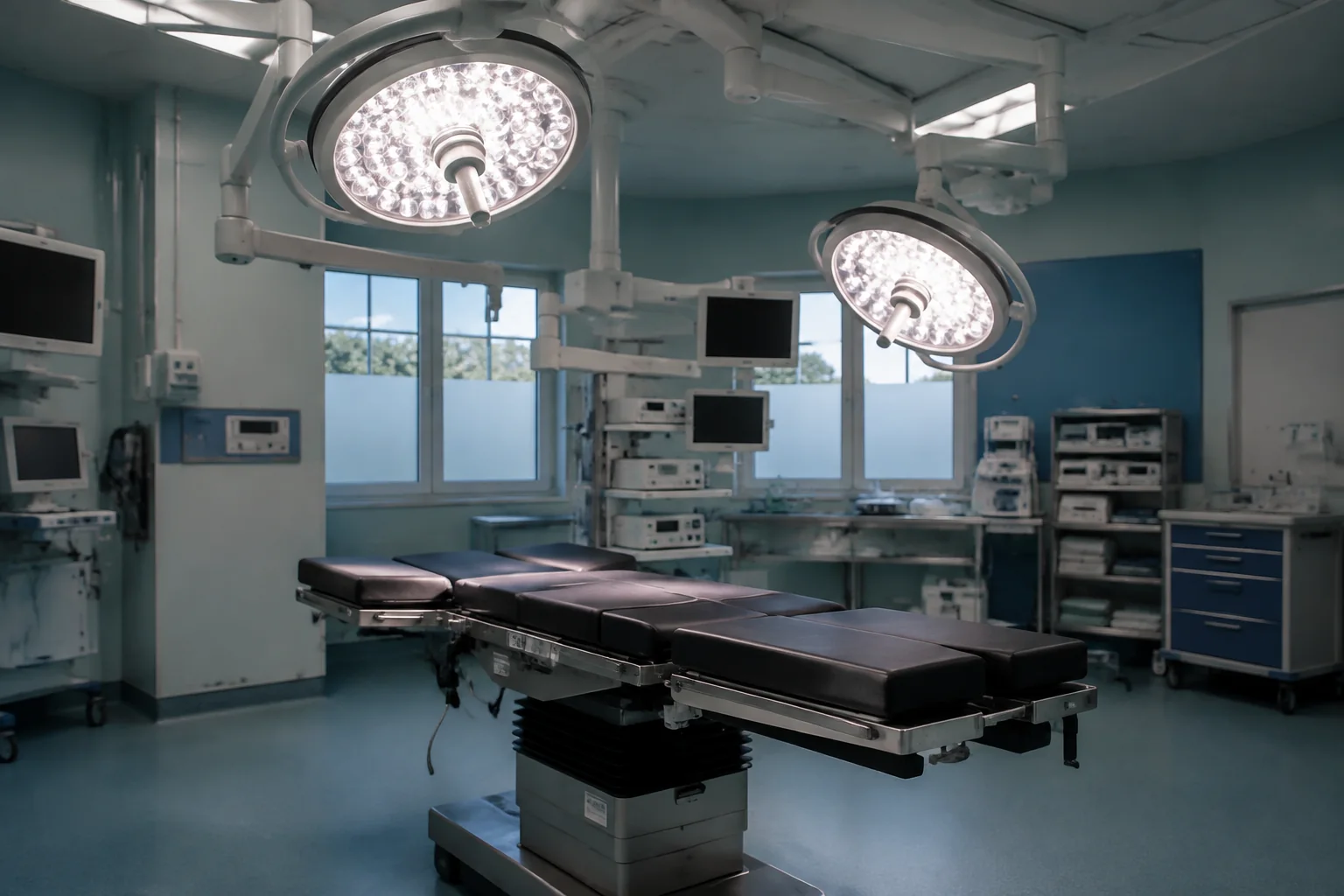
Define a department-level equipment requirement around the reusable instruments, load types, documentation and installation conditions of your facility.
- Define the department scope. Specify the clinical department and its reusable instrument sets instead of using a facility-wide capacity estimate.
- Review batch requirements. Compare peak demand, tray dimensions and the available instrument inventory with the intended equipment.
- Plan cycle documentation. Identify the records and printout requirements of the facility when reviewing interface and printer configurations.
Related Products
23K Class B Vacuum Steam Sterilizer · 18L/23L →
Compare Standard, Color Screen and Pro chamber specifications, load limits and electrical protection.
9A Class B Steam Sterilizer · 18L/23L →
Review 18 L / 23 L options, controls and cycle-record printing configurations.
CQ1320 Ultrasonic Cleaner →
Review the two-tank layout against the department’s cleaning-station plan.
What should buyers confirm for Medical & Clinical Facilities?
Provide the department type, instrument list, required batch records, available footprint and power supply. Include water, drainage and service access in the installation review.
Can a tabletop unit cover an entire hospital?
This range should be evaluated against a defined load and department requirement. Whole-facility or central-processing capacity requires a separate assessment.
Are printed cycle records available on every configuration?
Printer hardware and record-access functions depend on the selected model and version. State the required record format and language in the enquiry.
How should different instrument types be assessed?
Provide the manufacturers’ processing requirements and proposed load arrangement for each group. Do not infer suitability for a special instrument from a general application photograph.

INDUSTRY REQUIREMENTS
Beauty & Aesthetics
Build an equipment plan around the reusable tools your practice actually uses, their material requirements and the space available for processing.
- Separate tool requirements. Distinguish reusable tools from single-use items and identify the processing requirements for each reusable tool.
- Fit the available space. Include loading access, water handling and preparation space when reviewing the equipment footprint.
- Match routine batches. Plan around treatment schedules, tool-set availability and the dimensions of packaged tools.
Related Products
8A Class B Automatic Steam Sterilizer · 18L/23L →
Compare 18 L / 23 L chamber dimensions and digital operating features.
9A Class B Steam Sterilizer · 18L/23L →
Review chamber choices and interface configurations for permitted tool loads.
CQ1300 Ultrasonic Cleaner →
Compare the single-tank layout with the cleaning requirements of your reusable tools.
What should buyers confirm for Beauty & Aesthetics?
Share the tool list, permitted processing methods, typical batch size and available bench dimensions. Include space for inspection, packaging and storage appropriate to your practice.
Can all beauty tools be steam sterilized?
No. Tool materials, construction and manufacturer instructions determine which methods are permitted. Provide the actual tool list for review.
Does a smaller practice always need the smallest chamber?
Tool and package dimensions may be more important than the number of treatment rooms. Compare actual loads with the available chamber sizes.
Can cleaning equipment be used to reprocess disposable items?
A cleaning machine does not change a product’s single-use designation. Follow the item manufacturer’s instructions.

INDUSTRY REQUIREMENTS
Veterinary Clinics
Compare equipment for veterinary instrument sets using actual tray lengths, surgical batch requirements and the clinic’s available processing area.
- Check longer instruments. Measure the longest instruments and trays, including packaging, before comparing nominal chamber capacities.
- Plan surgical batches. Include the number of complete sets and peak procedure periods in the capacity discussion.
- Include specialty equipment. Identify dental handpieces or other specialist instruments that need their own compatibility review.
Related Products
8X Class B Vacuum Steam Sterilizer · 18L/23L →
Compare chamber depth and permitted cycle options for veterinary instrument sets.
23K Class B Vacuum Steam Sterilizer · 18L/23L →
Review chamber dimensions and wrapped-load limits across versions.
CQ2000 Ultrasonic Cleaner →
Review the single-tank configuration for compatible reusable instruments.
What should buyers confirm for Veterinary Clinics?
Provide the longest tray size, packaged-set dimensions, procedure mix and peak batch requirements. Include worktop strength, water connections and loading clearance in the site plan.
Is nominal chamber volume enough to check long trays?
No. Compare usable diameter, depth, rack arrangement and package dimensions for the supplied configuration.
Can one cycle be used for every veterinary instrument?
Instrument materials, construction, packaging and manufacturer instructions must match the permitted program. Review each proposed load group.
Can dental maintenance equipment be considered for veterinary use?
For veterinary dental handpieces, provide make and connector details. Suitability depends on the handpiece and maintenance instructions, not the clinic label.

INDUSTRY REQUIREMENTS
Laboratories
Start with a clearly defined laboratory load. Material compatibility, item geometry and the intended process determine which equipment can be considered.
- Define the load first. Separate reusable tools and compatible items from liquids, media, waste and other special loads.
- Check materials and geometry. Record dimensions, construction and permitted processing methods for the items being evaluated.
- Document the configuration. Identify the cycle records, installation requirements and equipment documents needed by the laboratory.
Related Products
23G Class B Steam Sterilizer · 18L/23L →
Compare interfaces, cabinet dimensions and documented programs for a defined compatible load.
23K Class B Vacuum Steam Sterilizer · 18L/23L →
Review version-specific chamber dimensions, load limits and records options.
CQ1320 Ultrasonic Cleaner →
Review the two-tank work area and confirm the function of each tank for the intended cleaning process.
What should buyers confirm for Laboratories?
Include the laboratory type, exact load description, materials, item dimensions and requested process. State whether liquids, media or waste are involved so they can be reviewed separately.
Do the listed tabletop models support liquids or culture media?
These pages do not establish suitability for liquids or media. Such loads require explicit model, program and operating-document confirmation.
Does heat resistance alone establish suitability?
No. Item construction, closure, load arrangement and the intended process also need to be reviewed.
Can the equipment be selected from a laboratory category alone?
A laboratory label is too broad. Provide a precise load description and the applicable equipment requirements.

INDUSTRY REQUIREMENTS
Tattoo & Body Art Studios
Plan processing equipment for permitted reusable tools, with attention to packaging, small-workspace layout and the studio’s documented procedures.
- Identify reusable tools. Separate permitted reusable grips and tools from single-use needles, cartridges and other disposable items.
- Allow packaging space. Include inspection and packaging needs when planning the area around the equipment.
- Match the studio workload. Compare tool-set inventory and daily appointments with the proposed batch size and chamber arrangement.
Related Products
8A Class B Automatic Steam Sterilizer · 18L/23L →
Compare chamber sizes and programs for the permitted reusable tool loads.
9A Class B Steam Sterilizer · 18L/23L →
Review interface and cycle-record options alongside chamber fit.
CQ1300 Ultrasonic Cleaner →
Review basket fit and cleaning compatibility for reusable tools.
What should buyers confirm for Tattoo & Body Art Studios?
Provide reusable tool types, packaged dimensions, expected daily batches and the studio floor plan. Identify the documentation required by your local procedure before choosing the configuration.
Can single-use needles or cartridges be reprocessed?
Do not treat these pages as permission to reuse single-use items. Follow the manufacturer’s single-use designation and applicable disposal procedure.
What matters most for wrapped tools?
Package fit, load arrangement and the permitted cycle must be reviewed together. Chamber volume alone does not establish suitability.
How should a small studio plan its equipment area?
Allow for loading access, water handling and the inspection and packaging tasks in your documented workflow, in addition to the machine footprint.
PLAN YOUR PRODUCT RANGE
Equipment Categories for Your Project
Select the categories relevant to your customer’s documented workflow. Confirm models, accessories and supplied configuration separately for each item.
Steam Sterilizers
Compare chamber geometry, permitted loads, interface options and cycle records for the instruments your customers process.
Compare Models →Ultrasonic Cleaners
Review tank layout, usable basket space, water fittings and instrument compatibility. Confirm the function of each tank.
View Ultrasonic Cleaners →Pouch Sealers
Specify compatible packaging materials, usable sealing width and expected workload where sealed pouches form part of the procedure.
Enquire About Pouch Sealers →Water Distillers
Compare output, water handling and maintenance against the receiving equipment’s specified water requirements.
Enquire About Water Distillers →Dental Handpiece Maintenance
For dental and veterinary dental projects, include the handpiece make, connector and maintenance requirements when discussing compatible adapters and equipment.
View QZ350 Details →COMPARE THE CONFIGURATIONS
Steam Sterilizer Model Comparison
Compare the models linked above. Capacity labels do not establish load compatibility; check the model-specific chamber, load and program information.
Swipe the table sideways to view all columns. The first column stays visible.
| Model | Class | Capacity options | Interface / versions | Key comparison points |
|---|---|---|---|---|
| 6N | Class N | 8 L / 12 L / 18 L | Digital controls | Permitted load types and documented Class N programs |
| 8A | Class B | 18 L / 23 L | Digital controls | Chamber depth and component features |
| 8X | Class B | 18 L / 23 L | Regular / Color Screen | Interface options and cycle programs |
| 9A | Class B | 18 L / 23 L | Standard / Color Screen | Cabinet dimensions and cycle printing |
| 23G | Class B | 18 L / 23 L | Standard / Color Screen / Pro | Version-specific dimensions and programs |
| 23K | Class B | 18 L / 23 L | Standard / Color Screen / Pro | Chamber dimensions, load limits and electrical protection |
BUILD YOUR PURCHASING LIST
Define the Configuration Before Requesting a Quote
| Requirement | Information to provide |
|---|---|
| Industry and instruments | Customer type, reusable items, materials and permitted processing methods |
| Batch and chamber fit | Packaged tray dimensions, load weight and expected daily batches |
| Installation | Available space, loading access, power, water and drainage |
| Records and accessories | Interface language, cycle records, baskets, racks and connectors |
| Order schedule | Product categories, models, quantity per model and target purchasing date |
| Supply configuration | Voltage, frequency, plug, language, accessories and branding requests |
VERIFY DOCUMENT COVERAGE
Documentation for Your Target Market
Provide the purchasing organization’s document requirements. Ask RUNDA to confirm availability and coverage for the exact model, configuration and destination.
- Product specification sheets
- Installation and operating instructions
- Labels and electrical information
- Applicable conformity or registration documents
- Accessory and consumable lists
- Maintenance and service information
A document for one product does not establish coverage for the full equipment range.
Discuss Documentation Requirements →PROCUREMENT & DISTRIBUTION
Plan Samples, Orders & Private-Label Requirements
Share your target market and the industries you supply. Build the order by product, model and configuration, then confirm samples, documentation and local service responsibilities before finalizing the purchasing list.
Samples and Initial Orders
Ask about sample availability and minimum order requirements. Agree the exact model, version and accessories to evaluate before a larger order.
Branding and Packaging
List the requested logo, labels, packaging and language changes. Confirm the available customization scope and conditions for each product.
Delivery and Commercial Terms
Confirm quotation scope, included items, payment terms, shipment arrangements and estimated lead time for the selected configuration.
Distribution Responsibilities
Describe your market, customer types and local service capabilities. Any territory or distribution arrangement must be discussed and agreed separately.
Plan After-Sales Support Before You Order
Confirm how RUNDA, your distribution team and the end user will handle installation information, maintenance and service enquiries.
- Warranty scope and issue-reporting procedure.
- Available troubleshooting and maintenance documents.
- Spare parts, consumables and ordering arrangements.
- Technical support and training arrangements, where available.
- Local service responsibilities and escalation contacts.
BUILD YOUR PURCHASING LIST
Discuss Your Equipment Project
Select an industry above to include it in your enquiry, or contact us with a product list covering several industries. Include your target market, quantity per model, electrical requirements, documents and target purchasing date.